Exploring Italian Christmas Vocabulary For The Best Time Of The Year – 25 Words
Christmas is a magical time of the year when people around the world come together to celebrate the spirit of giving, joy, and togetherness. In Italy, the holiday season is a particularly festive and enchanting time, filled with unique traditions and delicious food. To truly immerse yourself in the Italian Christmas experience, it’s essential to learn some key Italian Christmas vocabulary.
Italian is indeed a beautiful, romantic language. But it is also a very difficult one to learn, the grammar is very difficult and getting across so many different dialects seems kinda impossible. But, with the best time of the year kinda around the corner, if you were to travel to the Bel Paese you’d be ready with this collection of sorts, an Italian Christmas vocabulary to help you wherever you go.
In this blog post, we’ll explore some essential Italian words and phrases that will help you navigate the festive season and understand the rich cultural traditions of Christmas in Italy. Let’s see those Italian Christmas vocabulary you need to learn!

Simple Italian Christmas Vocabulary to learn this festive season!
With plenty of things to learn about Italy, it’s a great way to start with some specific Italian Christmas vocabulary and small phrases which can help you get around more easily this festive season.
1. Buon Natale
{/ˈbwɔn naˈta.le/} – Merry Christmas
The most important phrase to know is Buon Natale, which simply means Merry Christmas. You’ll hear this greeting exchanged among friends and family throughout the holiday season.
The phrase Buon Natale represents not only the joy and excitement that comes with the holiday but also the spirit of togetherness and goodwill. In Italy, Christmas is a time for family and friends to gather, share special meals, exchange gifts, and celebrate the birth of Jesus. It’s a season filled with love, warmth, and a strong sense of community. The main essential among these words in the Italian Christmas vocabulary.
2. Auguri
{ /ˈaw.ɡu.ri/} – Wishes
Auguri is a versatile word that translates to wishes. During Christmas, you’ll often hear phrases like Auguri di Natale (Christmas wishes) or Tanti Auguri di Buon Natale (Many wishes for a Merry Christmas).
It is commonly used during special occasions and celebrations, including birthdays, weddings, and, of course, Christmas. When someone says Tanti Auguri or Auguri di Natale, they are offering warm wishes and blessings for the occasion. In the context of Christmas, Auguri is often used to express heartfelt wishes for a Merry Christmas and a joyous holiday season. It’s a word that encapsulates the spirit of goodwill and celebration in Italian culture and is an integral part of festive greetings and exchanges. An essential in the Italian Christmas vocabulary.
3. Presepe – Italian Christmas Vocabulary
{ /preˈzɛ.pe/ } – Nativity Scene
The nativity scene, or presepe, is a cherished Christmas tradition in Italy. A presepe typically includes figurines representing the Holy Family – Baby Jesus, Mary, and Joseph – shepherds, angels, the Three Wise Men and various animals. Many Italians take pride in creating elaborate and intricate nativity scenes in their homes, often depicting not only the birth of Jesus but also the surrounding Bethlehem landscape.
The presepe serves as a visual reminder of the spiritual significance of Christmas and is a cherished tradition that brings families and communities together during the holiday season. Nativity scenes can be found in homes, churches and public spaces across Italy, each reflecting the unique creativity and devotion of the individuals who create them. Talk about a very picturesque word to add to your Italian Christmas vocabulary!
4. Albero di Natale
{ /ʔalbɛrɔ ɟɪ natalɛ/ } – Christmas Tree
Like many other countries, Italians decorate Christmas trees, which we call albero di Natale.
These trees are often adorned with colourful ornaments, lights and tinsel, and most times topped with a star or an angel. The Christmas tree serves as a central and festive decoration in homes and public places, adding to the joyful atmosphere of the holiday season. Decorating the Albero di Natale is a cherished tradition for Italian families, and the act of trimming the tree is often a special occasion that brings loved ones together. Another big one in the Italian Christmas vocabulary.
5. Babbo Natale
{ /ˌbab.bo.naˈta.le/ } – Santa Claus
While Italians have their gift-bringing figures in some regions, such as La Befana, Santa Claus, known as Babbo Natale, is widely recognized and celebrated in Italy.
He is depicted as a jolly, bearded man in a red suit who delivers gifts to well-behaved children on Christmas Eve. Children in Italy eagerly anticipate the visit of Babbo Natale and he will fill the bottom of each Albero di Natale with gifts. While Italy also has its unique gift-bringing figure in some regions, such as La Befana, Babbo Natale is widely recognized and celebrated throughout the country, and he plays a central role in the joy and magic of the Christmas season. The main word to add to your Italian Christmas vocabulary!
6. La Befana
{ /beˈfa.na/ } – The Epiphany Witch
On January 6th, Italian children receive gifts from La Befana, a kind witch who flies on her broomstick to deliver presents and sweets. “La Befana” is a unique and beloved character in Italian Christmas folklore.
The story of La Befana has its roots in Italian legends and is a charming addition to Italian Christmas traditions. On the Epiphany, families celebrate her arrival, and children eagerly look forward to receiving small gifts and treats. This unique tradition makes the Epiphany a special and festive occasion in Italy, allowing for an extended celebration of the holiday season.
7. Panettone
{ /pa.nɛ.tɔn/} – Christmas Bread
Panettone is a traditional Italian Christmas bread that’s enjoyed throughout the holiday season. This sweet and fluffy bread is typically enriched with candied fruits, raisins, and citrus zest, giving it a delightful fruity flavour. Panettone is often enjoyed as a dessert or sweet treat during Christmas festivities.
The word panettone is derived from panetto, meaning a small loaf of bread. It has a domed shape and is baked in a cylindrical mould. It’s a popular gift during the holidays, and many Italians exchange panettone with friends and family. While it’s a Christmas tradition, you can find panettone in stores and bakeries well before the holiday season, and it’s enjoyed not only in Italy but also in various parts of the world where it has become a symbol of Italian Christmas cuisine. Our other blog has a brilliant easy recipe for pistachio panettone you need to try!

8. Pandoro
{ /panˈdɔːɹəʊ/} – Golden Bread
Another festive bread is “Pandoro,” often referred to as “golden bread” because of its golden colour. It’s a light and fluffy bread, typically baked in a tall, star-shaped mould.
It’s enjoyed as a dessert during the Christmas season, often sliced into wedges and served with a sprinkle of powdered sugar. Or like Pandoro Farcito. Much like panettone, pandoro is a popular gift and a delightful treat to share with loved ones during the holidays. It adds a touch of sweetness and festivity to the Italian Christmas table. And what a brilliant word to add to your Italian Christmas vocabulary!
9. Cenone
{ [t͡ʃenˈone] } – Christmas Eve Dinner
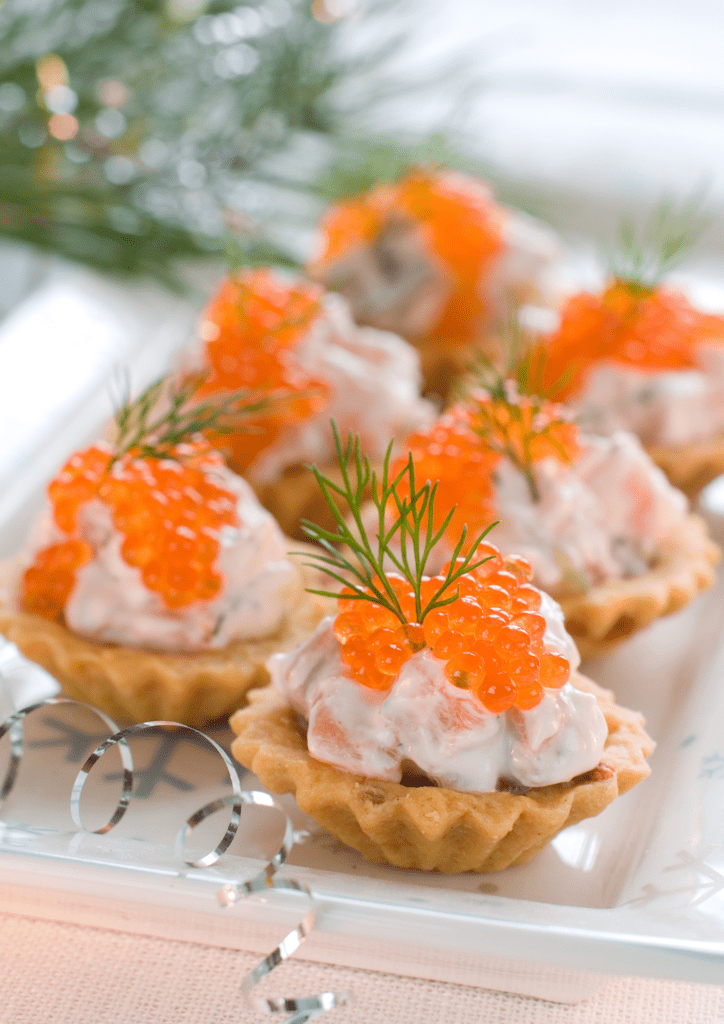
Christmas Eve is a significant occasion in Italy, and it is celebrated with a special dinner known as cenone.
The Christmas Eve dinner is a time for families to come together and celebrate the holiday. While the specific dishes served can vary from region to region in Italy, common elements often include seafood, pasta dishes, and a variety of sweets and desserts. One of the highlights of the cenone is the symbolic number of courses, typically seven or more, which is believed to represent the seven sacraments or the number of hills in Rome. A very intense word to add to your Italian Christmas vocabulary.
10. Regali – Italian Christmas Vocabulary
{ /reˈɡa.li/ } – Gifts
Exchanging gifts is an important part of the Italian Christmas tradition. During the holiday season, exchanging regali is a common and heartwarming tradition, particularly on Christmas.
Italians love to exchange gifts with family and friends, showing their love and appreciation for one another. The act of giving and receiving regali is an essential part of the Christmas celebration, and it reflects the spirit of generosity and togetherness that defines the holiday season in Italy. It’s a time for sharing joy, love, and thoughtful presents to make the season even more special. The most needed among these words for the Italian Christmas vocabulary.
11. Luminarie
{ /lu.miˈna.rie/} – Christmas Lights
The elaborate Christmas light displays, known as luminarie, are a common sight in Italian cities and towns, especially during the holiday season. These decorative lights come in all shapes and sizes, creating a magical and festive atmosphere. They are often characterized by intricate patterns, often resembling arches, tunnels, and cascading lights. They transform urban landscapes into enchanting wonderlands, attracting both locals and tourists to enjoy the bright and colourful displays.
12. Novena
{ /noˈvẽ.nɐ/ } – Nine Days of Prayer
Many Italians participate in a novena, a series of prayers and religious observances, for nine days leading up to Christmas. In the context of Christmas, many Italian families and communities engage in spiritual preparation for the celebration of the birth of Jesus. These prayers and religious observances help individuals and groups focus on the meaning of the holiday and deepen their connection to the religious aspects of Christmas. What a clever word to add to your Italian Christmas vocabulary!
13. Luci Natalizie
{ /ˈlu.t͡ɕi/ /natalˈit͡sje/ } – Christmas Lights
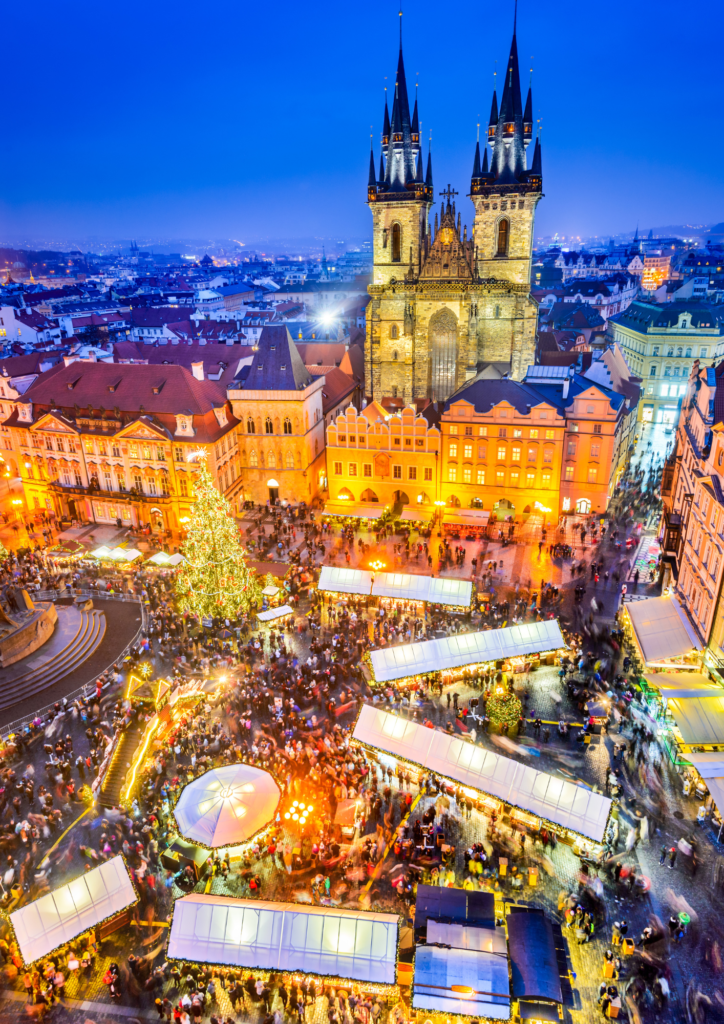
Luci Natalizie refers to the festive Christmas lights that adorn streets, homes, and public spaces, they play a significant role in illuminating the holiday season in Italy. Italians adorn their homes, streets, and public places with these festive lights during the Christmas season. The colourful and twinkling luci natalizie create a joyful and enchanting ambience, adding to the holiday spirit.
Many cities and towns in Italy are known for their elaborate Christmas light displays, drawing locals and tourists alike to enjoy the dazzling sights. A brilliant word to add to your Italian Christmas vocabulary.
14. Stelle di Natale
{ /ˈʃtɛlə ɟɪ natalɛ/ } – Poinsettias
“Stelle di Natale” translates to “Christmas stars” and is used to describe the popular Christmas flower, poinsettias. Poinsettias are often associated with the holiday season and are referred to as “stelle di Natale” because of their star-like appearance. These red and green plants are used as decorative elements in homes and churches during Christmas in Italy, adding to the festive ambience. A simple yet effective word to add to your Italian Christmas vocabulary!
15. Preghiera
{ /preˈɡjɛ.ra/ } – Prayer
Preghiera represents the spiritual aspect of Christmas, with many Italians attending midnight mass and saying prayers. In the context of Christmas and the holiday season, it represents the act of prayer and reflection.
Many Italians participate in prayers and religious observances during this time, such as attending church services, saying special prayers, and seeking spiritual connection. The preghiera allows individuals to deepen their faith and express their reverence for the religious aspects of Christmas. It’s an essential element of the holiday season for those who celebrate it with religious significance, and a fantastic word to add to your Italian Christmas vocabulary.
16. Canto di Natale – Italian Christmas Vocabulary
{ /ˈkan.to ɟɪ natalɛ/ } – Christmas Carol
Enjoying canto di Natale or Christmas carols is a delightful part of the holiday season in Italy. Much like in many other parts of the world, Christmas carols hold a special place in Italian holiday traditions. These songs are an integral part of the festive atmosphere, and you can hear them in homes, churches, public spaces, and even carolers singing in the streets.
Traditional canto di Natale in Italy includes both religious hymns and festive songs that celebrate the joy and spirit of the season. Many of these carols have been passed down through generations and are cherished for their beautiful melodies and lyrics. Time to sing out your Italian Christmas vocabulary!
17. Giorno di Santo Stefano
{ /ˈd͡ʒor.no ɟɪ ˈsɐ̃.tu ˈstɛ.fa.no/ } – Boxing Day
The day after Christmas, “Giorno di Santo Stefano” is the Italian name for St. Stephen’s Day, which is celebrated on December 26th. It is a public holiday in Italy and holds cultural and religious significance. This day is dedicated to honouring Saint Stephen, who was the first Christian martyr.
In Italy, this day is marked by various cultural and family activities. It is a time when families gather to continue their festive celebrations, often enjoying special meals and spending time together. In some regions, it’s also a day for giving and receiving gifts. Additionally, communities may hold events, parades, or processions to commemorate Saint Stephen. A mouthful for this word to add to your Italian Christmas vocabulary!
18. Mercatino di Natale
{ /mer.kaˈti.no ɟɪ natalɛ/ } – Christmas Market
Throughout Italy, you can explore the festive mercatini di Natale where you can shop for gifts and enjoy local treats. These markets are a cherished part of the holiday season in Italy. They are typically held in various cities and towns throughout the country during the weeks leading up to Christmas.
Mercatini di Natale offer a delightful shopping experience where visitors can find a wide array of holiday-themed goods, gifts, decorations, crafts, and, of course, seasonal treats. These markets often feature beautifully decorated stalls, twinkling lights, and a festive atmosphere. You can explore the market, shop for unique gifts, and savour local specialities like roasted chestnuts, mulled wine, and traditional Italian sweets. And what a brilliant word to add to your Italian Christmas vocabulary!
19. Zampognaro
{ /d͡zam.poɲˈɲa.ro/ } – Bagpiper
A zampognaro is a traditional Italian bagpiper who plays the zampogna, a type of bagpipe. These musicians are an integral part of Italian Christmas traditions, particularly in the southern regions of Italy. The zampognari are known for entertaining people during the holiday season by playing festive tunes on their bagpipes.
These musicians often dress in traditional garb and may visit towns and villages, playing joyful Christmas songs. Their music adds to the festive atmosphere and helps bring a sense of tradition and celebration to the holiday season in Italy. It’s a charming and cherished aspect of Italian Christmas culture, keeping age-old traditions alive. Let’s sing it out for your Italian Christmas vocabulary!
20. Vigilia di Natale
{ /viˈd͡ʒi.lja ɟɪ natalɛ/ } – Christmas Eve
Vigilia di Natale is the Italian Christmas Eve, celebrated with a special dinner and family gatherings. It’s a time when families come together for a special dinner, known as the cenone, which typically includes multiple courses of delicious dishes. It is a time for warmth, togetherness, and the anticipation of the arrival of Babbo Natale.
Many Italians attend midnight Mass, La Messa di Mezzanotte, to mark the birth of Jesus. The Vigilia di Natale is not only a religious occasion but also a time for families to exchange gifts and share love and joy. The celebration on Christmas Eve sets the stage for the full day of festivities on Christmas itself, making it a significant and heartwarming part of Italian Christmas culture. One of the main words you should know for your Italian Christmas vocabulary.

21. Stella Cometa
{ /ˈstel.la koˈme.ta/ } – Comet Star
Stelle Cometa represents the bright stars that are often depicted in nativity scenes. It has a special significance during the Christmas season. In the context of Christmas, Stella Cometa is often associated with the nativity scene.
The Stella Cometa represents the bright star that is traditionally depicted in nativity scenes, symbolizing the Star of Bethlehem. According to the Bible, this star guided the Three Wise Men to the birthplace of Jesus. It is a symbol of hope and a central element in the nativity story, signifying the arrival of the Messiah.
22. Festività Natalizie
{ /fe.sti.viˈta na.taˈlit.t͡sje/ } – Christmas Festivities
Festività Natalizie encompasses all the joyful celebrations and traditions associated with Christmas. It refers to the period of celebration and festivity that encompasses Christmas and the surrounding days, including New Year’s. This is a time of joy, togetherness, and reflection when families and communities come together to celebrate the holiday season.
The festività natalizie typically extends from Christmas Eve on December 24th to the Feast of the Epiphany on January 6th. During this period, Italians engage in various traditions, attend religious services, exchange gifts, enjoy festive meals, and participate in cultural events. It’s a time for sharing love and gratitude and creating lasting memories with loved ones, making it a cherished and vibrant part of Italian culture. A really needed word to add to your Italian Christmas vocabulary.
23. Panforte
{ /ˌpanˈfɔr.te/ } – Traditional Christmas Cake
Panforte is a dense, chewy cake filled with nuts and dried fruits, enjoyed during the holiday season, particularly popular in the region of Tuscany. The name means strong bread in Italian, and it’s made from a mixture of honey, candied fruits, nuts, and spices. This sweet treat is rich in flavour and has a distinctive spicy and fruity taste.
Panforte is typically shaped into a round or rectangular cake, dusted with powdered sugar or cocoa, and is often served in thin wedges. It’s a delightful and indulgent holiday dessert, enjoyed during the Christmas season. Panforte’s dense and sweet character makes it a perfect accompaniment to a cup of coffee or a glass of dessert wine, and it adds a unique and delicious touch to Italian Christmas feasts. This Italian Christmas vocabulary is filled with sweet stuff!
24. Torrone
{ [torˈroːne] } – Nougat
“Torrone” is a sweet nougat, a beloved Italian Christmas confection, and it is popular throughout the holiday season. This sweet treat is a type of nougat made from honey, sugar, and beaten egg whites, mixed with toasted nuts, typically almonds or hazelnuts. It is known for its chewy texture and delightful flavour.
Torrone can be found in various forms, from soft and chewy to hard and crunchy, and it often comes in rectangular or round bars. It is a traditional sweet enjoyed during Christmas in Italy and is often given as a gift. The combination of honey, nuts, and sugar makes torrone a delicious and rich treat that adds to the festive flavours of the holiday season. And what a sweet, sweet word to add to your Italian Christmas vocabulary!
25. Brindisi
{ /ˈbrin.di.zi/ } – Toast
Making a “brindisi” or raising a toast with family and friends is a common part of Christmas celebrations. During the holiday season, especially on Christmas and New Year’s Eve, making a brindisi is a common tradition in Italy. It involves raising a glass and offering a toast to celebrate a special occasion, express good wishes, or honour the holiday.
It is typically accompanied by clinking glasses and saying words of goodwill, such as Salute!, Prosit! or Auguri! It’s a moment of camaraderie and celebration when family and friends come together to mark the holiday, express their hopes for the future, and share their joy and gratitude. Making a brindisi is a gesture of togetherness and an essential part of Italian holiday festivities. Cheers to the word to add to your Italian Christmas vocabulary!
Shop the Italian Christmas Vocabulary post

Learning this tiny Italian Christmas vocabulary is not only helpful for understanding the language but also for immersing yourself in the rich traditions and culture of this magical season. Whether you’re exploring the nativity scenes, savouring the delicious holiday treats, or enjoying the company of loved ones, understanding these words and phrases will enhance your experience of Christmas in Italy. So, “Buon Natale” and “Tanti Auguri di Buon Natale” to you as you embark on your Italian Christmas adventure with this Italian Christmas vocabulary!
Pin this Italian Christmas Vocabulary post for later!