

Delicious White Ragu Recipe, #1 New Favourite Pasta Sauce
This post for the white ragu recipe was initially published on the 25th of September, 2024.
When I first heard about white ragu, I was ever so slightly confused. We have grown up knowing ragu – or ragoût, ragù or however you might prefer – to be a meaty red sauce we’d be slathering over pasta, lasagne or everything else in between. It was a Sunday tradition, a big lunch at grandma’s house in Sicily with the whole family: grandparents, siblings, cousins, uncles and aunts and even the neighbours. I remember plenty of meals I had sitting with my cousins on the stairs because of the lack of space at the adults’ table.
And usually, the whole house smelled like this beautiful ragu because our grandma had it on the fire since seven in the morning, cooking away until it would be thick and luscious. So, as you can see, white ragu was never an option. And boy, were we wrong! This sauceless version is so delicious, Cristina and I have been having it by the spoon straight from the pot.
White ragu, or ragù bianco, is a flavourful variation of the traditional Italian meat sauce, but without tomatoes. This rich and savoury dish combines tender ground meats, aromatic vegetables, white wine, and broth to create a creamy sauce you won’t be able to stop eating.
Often paired with pappardelle or other wide pasta, white ragu is celebrated for its depth of flavour, balancing subtle earthiness and sweetness from the ingredients. It’s an elegant yet comforting alternative to the classic red ragu, perfect for showcasing the natural flavours of quality meats and fresh herbs.
We have another couple recipes we love for sauces you might want to try out like this nduja ragu and this Sicilian pesto.

Let’s make some delicious white ragu together today
If you’re after an alternative to the traditional red sauce ragu because like me you’re not a big fan of tomatoes, well, you’re in luck. This luscious white ragu is absolutely delicious and you won’t even miss the tomato part, trust us. Grab some bread, you’ll be licking it off a large pot.
Let’s talk about white ragu and its origins
White ragu, or ragu bianco, is a lesser-known yet equally delicious counterpart to the more famous tomato-based ragù alla bolognese. Its origins are rooted in Italy, specifically in the northern regions, where the culinary traditions lean more heavily on butter, dairy, and subtle flavours compared to the southern tomato-centric cooking. The exact birthplace of white ragu is debated, but its development can be traced to the Emilia-Romagna and Tuscany regions.
The Emilia-Romagna region, particularly the city of Bologna, is widely regarded as the home of traditional ragu. However, the white version evolved as a response to local ingredients and cooking techniques that favoured a lighter, more delicate sauce. In these areas, cooks would often omit tomatoes, which were either scarce or simply not the focus of local cuisine until much later, particularly in the mountainous and forested areas where hunting and meat preservation were more prevalent.
Tuscany, another potential birthplace of ragù in bianco, is known for its rustic and meat-heavy dishes. In this region, game meats like rabbit, wild boar, and veal were commonly used in cooking, creating a sauce that emphasized the flavours of the meats and the accompanying herbs, such as rosemary and sage, rather than masking them with the strong acidity of tomatoes.
White ragu was a natural extension of these culinary traditions, and it evolved into a sophisticated yet rustic sauce that allowed chefs and home cooks to showcase their locally sourced meats.
White ragu likely became more popular in the late 18th and early 19th centuries as culinary techniques refined and regions like Tuscany and Emilia-Romagna established themselves as gastronomic centres. White ragu, however, remained more of a local speciality compared to the widespread adoption of tomato-based sauces across Italy and internationally.
Unlike the classic bolognese sauce, which made its way into mainstream Italian-American cuisine, white ragu has remained somewhat under the radar outside Italy, still appreciated mainly by those who are deeply familiar with the country’s diverse culinary landscape. Its luxurious, creamy texture and subtle layering of flavours have made it a favourite among chefs looking for a more refined yet traditional Italian sauce.
Today, white ragu continues to be a celebrated dish in northern Italian households and fine dining establishments, offering a taste of Italy’s regional cooking history with every bite.
What is traditional Bolognese ragu?
Traditional ragù, particularly ragù alla bolognese, is one of the most iconic Italian sauces, hailing from the Emilia-Romagna region, specifically the city of Bologna. It is a slow-cooked, meat-based sauce that has been a cornerstone of Italian cuisine for centuries. The name ragù itself comes from the French word ragoût, which refers to a method of stewing meats slowly, a technique that was introduced into Italy during the French occupation.
At its core, a traditional ragù is a rich, hearty blend of finely chopped or ground meats, usually a combination of beef and pork, simmered slowly with aromatic vegetables like onions, carrots, and celery, often referred to as a soffritto in Italian cuisine. The defining characteristic of ragù alla bolognese is its deep, savoury flavour, which comes from the slow cooking process that allows the flavours of the meat to develop and intensify.
While tomatoes are present in the sauce, they are used sparingly compared to other Italian sauces, playing a more supportive role rather than dominating the dish. The sauce is enriched with wine, broth, and sometimes milk or cream, which gives it a smooth, velvety texture and balances out the acidity of the tomatoes.
Traditionally, ragù alla bolognese is served with fresh egg pasta, most commonly tagliatelle, but it is also used in ragù per lasagne. The wide, flat strands of pasta are ideal for capturing the thick, meaty sauce, ensuring that every bite is flavourful. Contrary to popular belief, spaghetti is rarely used with ragù in Italy, despite the international fame of spaghetti Bolognese, a dish that has become synonymous with Italian cuisine abroad but bears very little resemblance to the authentic version.
Historically, ragù evolved as a way to make use of tougher cuts of meat, slowly cooking them to tenderness. The dish also reflected the prosperity of the region, as meat was considered a luxury, and the combination of various meats demonstrated abundance. Over time, ragù alla bolognese became a symbol of the hearty, rustic cooking of northern Italy.
Today, ragù remains a beloved dish in Italy, with families passing down their own variations of the recipe through generations. It stands as a testament to the art of slow cooking and the importance of simplicity in Italian cuisine, where quality ingredients and time-honored techniques come together to create something deeply satisfying and memorable.

What ingredients do I need to make this white ragu recipe?
White ragu is a nuanced, rich dish, and each ingredient plays a specific role in building its complex flavour profile. Here’s a detailed breakdown of the key ingredients:
- Extra Virgin Olive Oil: Extra virgin olive oil is the foundational fat used in white ragu, providing a subtle fruitiness and depth. Its slightly peppery and grassy flavour complements the other ingredients without overwhelming them. Since white ragu avoids tomatoes, the flavour of the olive oil becomes more pronounced, creating a rich base for sautéing vegetables and meat;
- Celery: Celery forms part of the traditional soffritto (along with onions and carrots), which is essential for building the flavour base of the sauce. Celery adds a slight bitterness and freshness, balancing the sweetness of the other vegetables. Its aromatic profile enhances the earthiness of the herbs and the richness of the meats;
- Carrots: Carrots bring a natural sweetness to the dish, counteracting the savoury flavours of the meats and herbs. When slowly cooked, carrots soften and release their sugars, adding subtle complexity and warmth to the overall flavour. Their sweetness contrasts beautifully with the saltiness of guanciale and the earthiness of thyme and rosemary;
- Onions: Onions are the backbone of the soffritto, providing both sweetness and umami when cooked down. As they caramelize, onions add depth and a savoury note that enhances the flavour of the meats and melds well with the herbs. Their mild sharpness mellows through slow cooking, integrating into the sauce’s texture;
- Guanciale: Guanciale, an Italian cured pork cheek, is prized for its intense, fatty richness. When rendered down, guanciale releases a flavourful fat that imbues the sauce with a savoury, slightly smoky undertone. Unlike pancetta or bacon, guanciale has a more delicate flavour, which enhances the sauce without overpowering the other elements. Its saltiness also elevates the meats and vegetables, adding depth to the final dish;
- Sage: Sage offers a distinct, slightly peppery flavour with a hint of earthiness. In white ragu, it acts as a fragrant herb that pairs well with rich meats like pork and beef. Sage’s subtle bitterness adds balance to the sauce and works in harmony with thyme and rosemary, creating a well-rounded herbaceous backdrop;
- Thyme: Thyme brings a light, fresh, and slightly lemony aroma to the dish, brightening up the heaviness of the meat and butter. Its earthy and floral notes enhance the sauce’s complexity, providing contrast to the richness of the pork and beef. Thyme’s delicate flavour permeates the sauce slowly, making it an integral part of the seasoning profile;
- Rosemary: Rosemary is a strong, woodsy herb with a piney aroma that works perfectly in a hearty dish like white ragu. Its robust flavour pairs well with both pork and beef, adding an herbal depth to the sauce. Fresh rosemary’s sharpness cuts through the richness of the butter and milk, helping to balance the heavier components of the ragu;
- Salt: Salt is essential for seasoning and enhancing the flavours of all the ingredients in white ragu. It helps draw out the moisture from the vegetables and meat, intensifying their natural flavours. Salt also balances the richness of the fats from the guanciale, butter, and meat, preventing the dish from becoming too heavy or one-dimensional;
- Black Pepper: Black pepper adds heat and sharpness, bringing a slight bite to the sauce. In white ragu, its warm spiciness complements the richness of the pork and beef, while its complexity enhances the herb flavours. Freshly ground black pepper is preferred for its bold and aromatic qualities, which permeate the dish slowly during cooking;
- Pork Mince: Ground pork provides the foundation for the white ragu’s hearty texture and rich, savoury flavour. The fattiness of pork adds moisture and depth, giving the sauce its signature luxurious mouthfeel. Pork’s mild flavour absorbs the herbs and seasonings well, creating a meaty backbone that is complemented by the lighter, leaner beef;
- Beef Mince: Beef mince adds a more robust flavour to the white ragu, balancing the fattiness of the pork with its leaner, meatier taste. The combination of pork and beef is crucial for creating a complex flavour profile, with the beef adding umami and depth to the sauce. The mixture of both meats gives the dish a hearty, satisfying texture;
- White Wine: White wine is used to deglaze the pan and adds acidity to the sauce, balancing the richness of the meats and fat. The wine’s crisp, slightly fruity flavour enhances the aromatic herbs and brings a fresh, light dimension to the dish. As the alcohol evaporates, it leaves behind a subtle complexity that helps lift the flavours of the meat and vegetables;
- Vegetable Stock: Vegetable stock serves as a flavourful liquid that helps tenderize the meats while adding depth to the sauce. It adds an umami-rich foundation without overpowering the delicate balance of flavours in the white ragu. The stock helps to keep the sauce moist, especially during the long, slow cooking process that allows the flavours to meld together. You can also decide to use different stock like chicken stock or beef stock;
- Butter: Butter is used to enrich the sauce, giving it a silky, creamy texture. The fat from butter melds with the meats and vegetables, adding luxurious smoothness to the sauce. Butter also contributes to the slight sweetness and rounds out the flavours, making the sauce taste more balanced and cohesive;
- Milk: Milk is one of the key ingredients that sets white ragu apart from its tomato-based counterparts. It adds creaminess and softens the flavours of the meats, giving the sauce a smoother, more delicate texture. The whole milk helps to mellow the herbs and provides a mild sweetness that balances the richness of the meats and butter;
- Parmesan: Parmesan cheese, or Parmigiano-Reggiano, is usually added at the end or sprinkled on top of the dish. It contributes a sharp, nutty flavour that enhances the sauce’s overall taste. Parmesan also adds an umami boost, complementing the savoury qualities of the meat and vegetables. Its saltiness contrasts nicely with the creamy elements like butter and milk, adding complexity to each bite.
Each of these ingredients plays a critical role in the creation of a balanced, flavourful white ragu, making it a dish full of rich textures and deep, savoury notes.
How do I make this white ragu?
Making this white ragu is pretty easy, maybe a little lengthy but definitely worth the effort if I might. You’ll get to try this delicious dish and you’re never going back to the traditional ragu.
Start by heating the extra virgin olive oil in a large, heavy-bottomed pan over medium heat or a dutch oven. Once the oil is warm, add the finely diced celery, carrots and onions to the pan. Sauté the vegetables over medium heat until they soften and become fragrant, about 10 minutes. Stir frequently to prevent burning. This will be the aromatic base for the sauce.
Once the vegetables are soft, add the diced guanciale. Cook time is for about 5-7 minutes, stirring occasionally and often, until the fat renders and the guanciale becomes golden and slightly crispy. Now it’s time to chop the fresh sage, thyme, and rosemary finely, then add them to the pan. Season with a pinch of salt and freshly ground black pepper, allowing the herbs to release their flavours into the vegetables for 2-3 minutes.
Add the pork mince and ground beef to the pan. Break up the meat with a wooden spoon and cook over medium-high heat until browned all over, about 10-15 minutes. Stir occasionally to make sure the meat is cooked evenly and well combined with the vegetable base. Season with a little more salt and pepper. Pour in the white wine, stirring to deglaze the pan and scrape up any browned bits from the bottom. Let the wine simmer and reduce for about 3-5 minutes until most of the liquid has evaporated and the alcohol has cooked off. The wine will add acidity and brightness to balance the richness of the meat.
Add the vegetable stock to the pan, reduce the heat to low, and allow the sauce to simmer gently for about 45-50 minutes. Stir occasionally, letting the sauce thicken as the flavours meld. During this time, the meats will become tender, and the stock will reduce, concentrating the flavours. Stir in the butter and let it melt into the sauce, adding richness and a velvety texture. Next, pour in the milk, stirring continuously. Simmer for another 10-15 minutes to allow the milk to blend with the sauce and mellow the flavours, creating a creamy consistency.
Once the sauce has thickened and all the flavours are well combined, stir in the grated Parmesan cheese. This will enhance the umami flavours and add a sharp, nutty finish. Adjust seasoning with salt and pepper to taste if needed.
The white ragu sauce is now ready to be served over your choice of pasta (save some pasta water to make it even more creamy while mixing), such as pappardelle, tagliatelle, or fettuccine. Top with extra grated Parmesan and freshly ground black pepper.

Can I freeze the white meat ragu?
You can make this in advance indeed! And that’s one of the big joys of pasta sauce and pasta in general, they can easily fit into a meal plan and freezer meals. You can freeze this ragu white sauce for up to three months. When you are ready to use it, you can thaw it overnight in the fridge, or I like to pop it in the pan with a bit of olive oil on low heat and wait for it to thaw.
What I love to do is make a big batch and freeze any leftovers in an airtight container. Even better, I freeze it in smaller containers enough for a plate of pasta or two, depending on how I think I will use it and it’s so quick to just grab it and have it on cooked pasta or even on mozzarella, delicious!
Do you have more pasta sauces on the blog?
This ragù bianco is not the only sauce recipe we have on the blog and actually, there’s plenty more coming in the next few months, because what is a good pasta dish if not paired with a good sauce:
- pesto alla siciliana – the cousin to the popular pesto alla Genovese and the classic pesto pasta. In this case, it’s made with tomatoes and ricotta on top of the usual ingredients;
- nduja ragu – if you love spicy and ragu, this is the sauce for you! Get ready for a kick that will make your pasta even more irresistible!
- pesto alla genovese – a classic full of flavour and so delicious is known all over the world;
- italian pink sauce: while this is not really italian, but Italian American, this pasta sauce is so comforting we couldn’t avoid sharing it!
- friggione – coming right from Bologna (where you can aslo find the most famous cannelloni bolognese), this is one of those dishes that is not exactly a sauce, but it kind of is (make it make sense), if you love onion and things that only require time to get better and better in flavour this is for YOU!
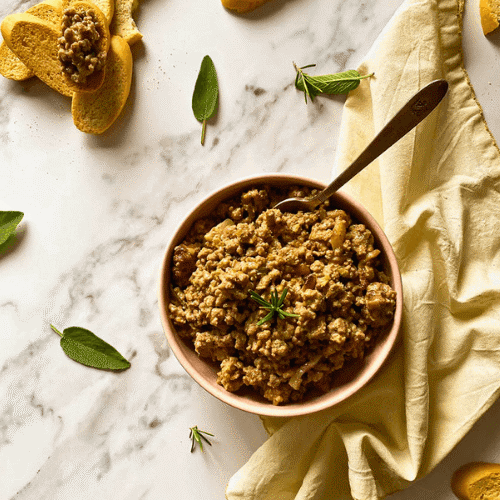
White Ragu Recipe
Ingredients
- extra virgin olive oil
- 1/2 cup celery chopped finely
- 1/2 cup carrots peeled and chopped finely
- 1/2 cup onions peeled and chopped finely
- 30 g diced guanciale
- 1/2 tbsp fresh sage chopped finely
- 1/2 tbsp fresh thyme chopped finely
- 1/2 tbsp fresh rosemary chopped finely
- 1 tsp salt
- 1 tsp freshly ground black pepper
- 300 g beef mince
- 300 g pork mince
- 30 ml white wine
- 1/2 cup vegetable stock
- 1 tbsp butter
- 1 tbsp milk
- 1/4 cup grated parmesan
Instructions
- Start by heating the extra virgin olive oil in a large, heavy-bottomed pan over medium heat.
- Once the oil is warm, add the finely diced celery, carrots and onions to the pan.
- Sauté the vegetables over medium heat until they soften and become fragrant about 10 minutes. Stir frequently to prevent burning.
- Once the vegetables are soft, add the diced guanciale.
- Cook for about 5-7 minutes, stirring often, until the fat renders and the guanciale becomes golden and slightly crispy.
- Chop the fresh sage, thyme, and rosemary finely, then add them to the pan.
- Season with a pinch of salt and freshly ground black pepper, allowing the herbs to release their flavours into the vegetables for 2-3 minutes.
- Add the pork mince and ground beef to the pan. Break up the meat with a wooden spoon and cook over medium-high heat until browned all over, about 10-15 minutes. Stir occasionally to make sure the meat is cooked evenly and well combined with the vegetable base.
- Season with a little more salt and pepper.
- Pour in the white wine, stirring to deglaze the pan and scrape up any browned bits from the bottom.
- Let the wine simmer and reduce for about 3-5 minutes until most of the liquid has evaporated and the alcohol has cooked off.
- Add the vegetable stock to the pan, reduce the heat to low, and allow the sauce to simmer gently for about 45-50 minutes.
- Stir occasionally, letting the sauce thicken as the flavours meld.
- Stir in the butter and let it melt into the sauce, adding richness and a velvety texture.
- Pour in the milk, stirring continuously. Simmer for another 10-15 minutes to allow the milk to blend with the sauce and mellow the flavours, creating a creamy consistency.
- Once the sauce has thickened and all the flavours are well combined, stir in the grated Parmesan cheese.
- Adjust seasoning with salt and pepper to taste if needed.
Shop the white pork ragu post

In conclusion, this white meat sauce is a perfect twist on traditional pasta sauce, offering a creamy and flavourful alternative that highlights the richness of quality ingredients. Whether you’re exploring new pasta recipes or looking for a comforting dish, this white ragu is sure to impress with its depth of flavor and versatility. Serve it with your favourite pasta, and enjoy a delicious meal rooted in authentic Italian tradition.
Pin this white ragu recipe for later!


